
Stories & Research Insights
By Pascal Groboillot, Henckell Genealogical Research
While researching civil records from Suriauville, a small village in the Vosges, I found something that genuinely surprised me: winegrowers.
The Vosges lie in Lorraine, right next to Alsace, and many Americans use “Alsace-Lorraine” for the whole region. Few expect to find vineyards there.
The Deuzé family of Suriauville
In one Deuzé family, several generations appear in the records with occupations linked to wine:
- Simon Deuzé, born in 1764, is recorded as a winegrower.
- Simon’s uncle, also a Deuzé, is recorded as a winegrower too.
- Antoine Deuzé, Simon’s son, born in 1811, became a cooper: a craftsman who made and repaired the wooden barrels used for wine.
- Marie Alexandre Deuzé, Antoine’s son, born in 1860, became a winegrower again.
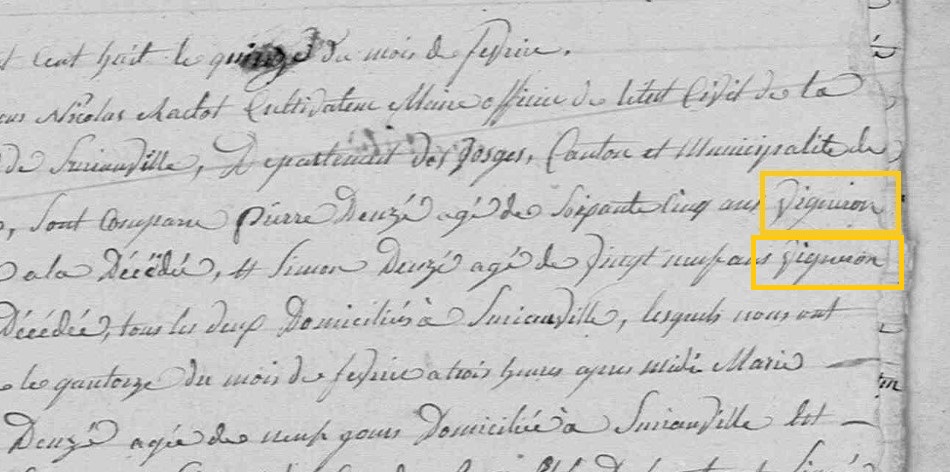
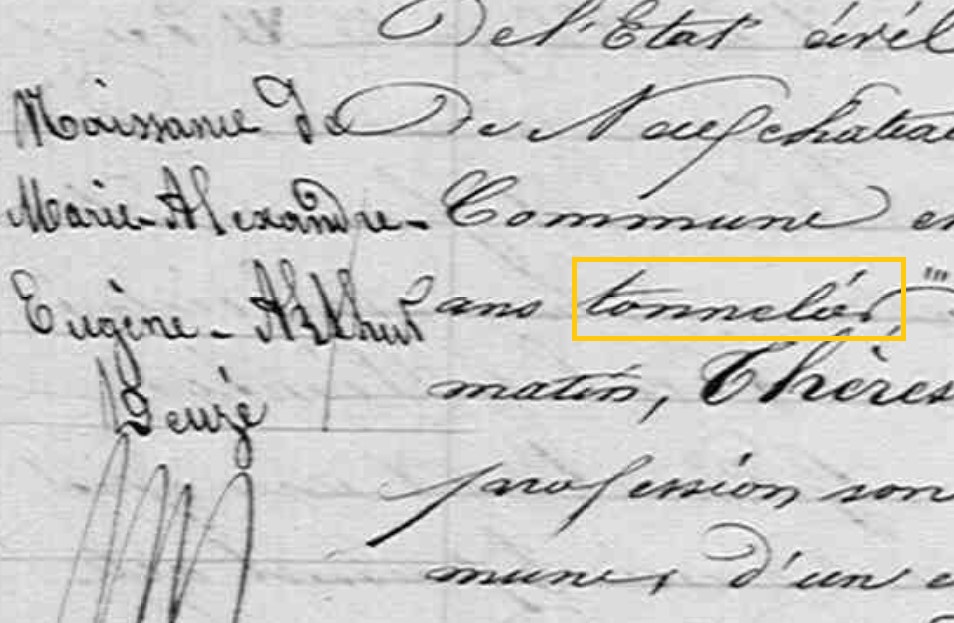
These small details in old records open a window on a world that has almost disappeared.
A vineyard that nearly vanished
The Vosges once had an extensive vineyard. By the late 19th century, phylloxera was devastating vineyards in the Vosges and elsewhere in Lorraine.1
Yet the tradition never completely vanished.
Did you know?
At La Neuveville-sous-Montfort, local producers carry on the tradition with a dark red wine with bluish reflections known as Vin Bleu des Vosges.1, 2
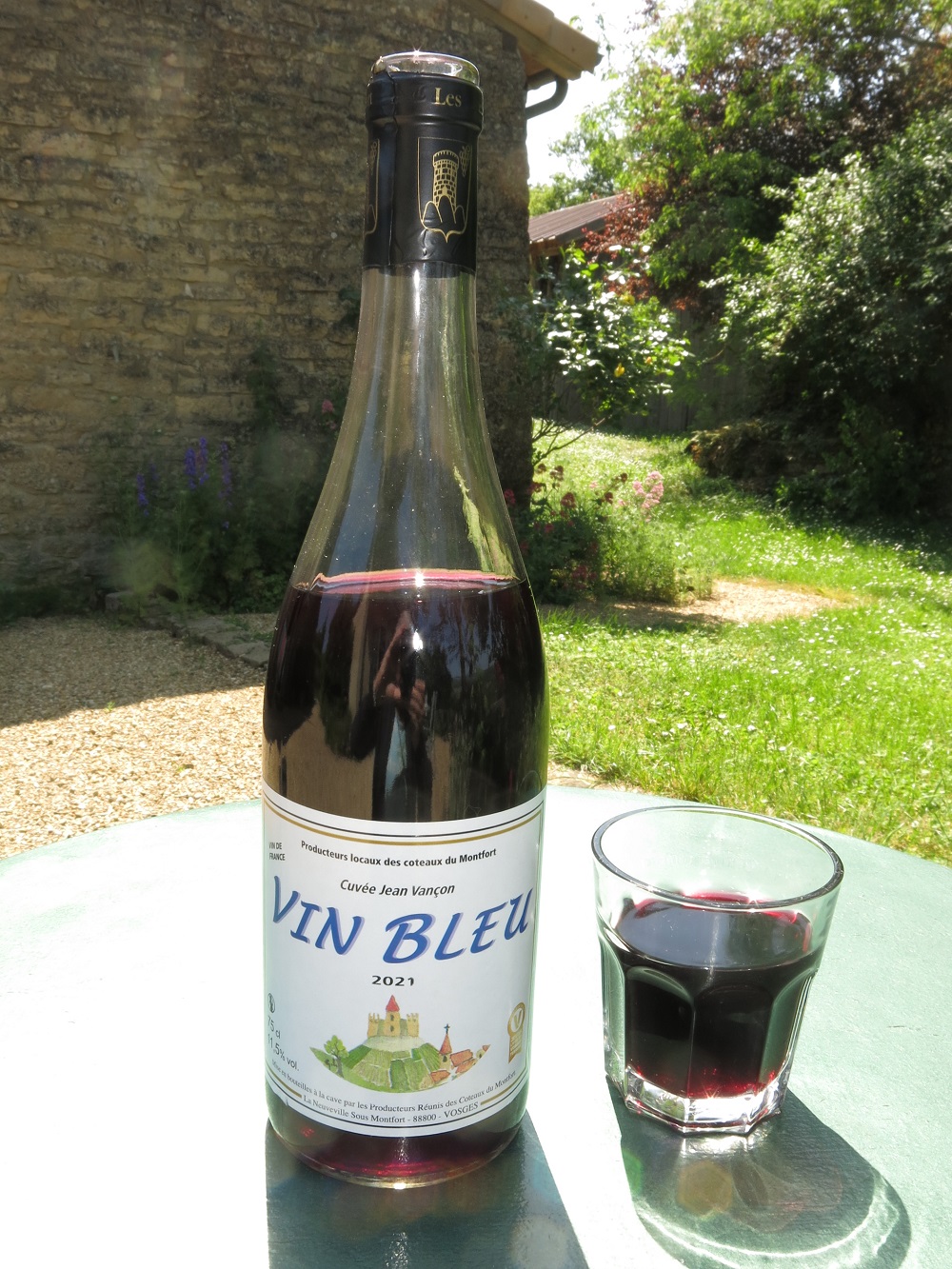
How to read occupations in French records
Occupations are some of the most useful clues in French civil registers. Here are a few you may meet:
| French term | English | What it tells you |
|---|---|---|
| vigneron | winegrower | Wine-growing country, small vineyards |
| tonnelier | cooper | Barrel maker, often near wine or beer trades |
| laboureur | farmer | Often a farmer working his own land |
| journalier | day laborer | Worked for others, usually without land |
| tisserand | weaver | Textile trade, often at home |
| sabotier | clog maker | Wood trade, common in rural areas |
Three tips for researchers
- Read the occupation as a clue to the family’s world. A winegrower, then a cooper in the next generation, points to a local wine economy that has since disappeared.
- Compare several records. The same man can be a winegrower in one act and a farmer in another.
- Watch the first names. In French records, Marie was also given to boys, as in Marie Alexandre.
So when I read the word “winegrower” in an 1808 record, and then find a cooper in the same family a generation later, those occupations take on a new meaning. They are no longer just details in an old document. They are traces of a landscape, an economy, a family tradition and a craft that has largely disappeared.
Behind a name, a date and an occupation, there is often an entire story waiting to be discovered.
Do you have ancestors from the Vosges, Lorraine or Alsace?
If you have a surname and a village, I can help you find out what your family did and where they lived. I am based in Mulhouse, Alsace, and I read original records in French and German.
Request a free initial assessment at henckellgenealogy.com.
Sources
- Blé Lorraine, “Du vin des Vosges” (2023), on the history of the vineyard and the Vin Bleu.
- Municipality of La Neuveville-sous-Montfort, “Coopérative viticole”, on the local producers and their wines.
Genealogical sources: Suriauville civil registers, Deuzé family records consulted by Pascal Groboillot.